Manufacturer > Sirtex > Devices > SIR-Spheres® Y-90 resin microspheres

SIR-Spheres® Y-90 resin microspheres
Device-Type

Selective Internal Radiation Therapy

Manufacturer

Sirtex


SIR-Spheres® Y-90 resin microspheres are a medical device used in Selective Internal Radiation Therapy (SIRT) for liver tumors.

  • SIR-Spheres Y-90 resin microspheres are a permanent implant and for single use only.
  • The biocompatible resin microspheres labelled with yttrium-90 have a median diameter of 32.5 microns (range between 20 and 60 microns).


SIR-Spheres®Y-90 resin microspheres

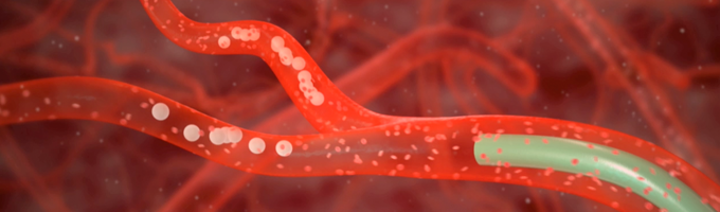
  • are directly targeting liver tumors via the hepatic artery
  • minimize exposure to the remaining healthy liver tissue

Due to their relatively low density of 1.1 g/mL, SIR-Spheres Y-90 resin microspheres

  • travel with the blood stream
  • are taken deep into the tumor microvasculature where they become lodged.

SIR-Spheres Y-90 resin microspheres can therefore be delivered in a slow deliberate manner

  • to achieve an even distribution
  • to maximize the number of microspheres delivered,
  • to optimize tumor coverage - even in patients with extensive disease.


Safety informations

Contraindications

SIR-Spheres Y-90 resin microspheres are contraindicated in patients who have:

  • had previous external beam radiation therapy to the liver;
  • ascites or are in clinical liver failure;
  • markedly abnormal synthetic and excretory liver function tests (LFTs);
  • greater than 20% lung shunting of the hepatic artery blood flow determined by Technetium-99m macroaggregated human albumin (99mTc-MAA) scan;
  • pre-assessment angiogram that demonstrates abnormal vascular anatomy that would result in significant reflux of hepatic arterial blood to the stomach, pancreas or bowel;
  • disseminated extra-hepatic malignant disease;
  • been treated with capecitabine within the two previous months, or who will be treated with capecitabine at any time following treatment with SIR-Spheres Y-90 resin microspheres.
  • portal vein thrombosis.

Warnings

  • Inadvertent delivery of SIR-Spheres Y-90 resin microspheres to the gastrointestinal tract or pancreas will cause acute abdominal pain, acute pancreatitis or peptic ulceration. 
  • High levels of implanted radiation and/or excessive shunting to the lung may lead to radiation pneumonitis.
  • Excessive radiation to the normal liver parenchyma may result in radiation hepatitis.
  • Inadvertent delivery of SIR-Spheres Y-90 resin microspheres to the gallbladder may result in cholecystitis.

Precautions

  • No studies have been done on the safety and effectiveness of this device in pregnant women, nursing mothers or children.
  • Due to the radioactivity of this device and the significant consequences of misplacing the microspheres in situ, this product must be implanted by doctors with adequate training in the handling and implantation technique for this device.
  • Sirtex recommends a SPECT scan of the upper abdomen be performed immediately after implantation of SIR-Spheres Y-90 resin microspheres. The SPECT scan will detect the Bremsstrahlung radiation from the yttrium-90 to confirm placement of the microspheres in the liver.
  • This product is radioactive. The use of this device is regulated under Title 10 of the Code of Federal Regulations Part 35. These regulations must be followed when handling this device.


Potential adverse events

Patients may experience

  • abdominal pain or tightness in their abdomen,
  • nausea and loss of appetite which normally subsides within a week after treatment
  • mild fever that may last for up to a week
  • fatigue, which may last for several weeks post-treatment.

As a precaution, specific peri-procedural medications are prescribed to control these symptoms.

In rare instances, there is a possibility that microspheres may inadvertently reach other organs in the body, such as the gallbladder, stomach, intestine, or pancreas.

  • If SIR-Spheres® Y-90 resin microspheres reach these organs, they may cause cholecystitis, gastritis, duodentitis or pancreatitis.
  • These complications are rare, but if they do occur they may require additional medical treatment.

Between 60 and 90 days post treatment, there is also a small risk of radioembolisation induced liver disease (REILD) which is characterized by jaundice, ascites and elevated bilirubin levels.

Questions & Answers


Don't see the answer you're looking for ?